September 28, 2026
Kitchen renovation projects are often shrouded in misconceptions, which can lead to missteps in planning and execution. Understanding these fallacies is crucial for homeowners embarking on a renovation journey, as it sets the stage for realistic expectations and effective decision-making. By recognizing the pitfalls, you can better navigate the complexities of upgrading your kitchen.
Misconception 1: Kitchen Renovations Always Require a Huge Budget
Setting a Realistic Budget
One common belief is that kitchen renovations necessitate a large financial outlay, deterring many from pursuing updates. However, setting a realistic budget through meticulous planning can make these projects attainable. Start by analyzing the scope of work you desire, then research costs associated with materials, labor, and potential permits. It's essential to not stretch your finances to a breaking point, but rather to align your aspirations with your financial reality. Consider establishing a contingency fund to cover unforeseen expenses that may arise during the renovation process.
Cost-Effective Solutions and Materials
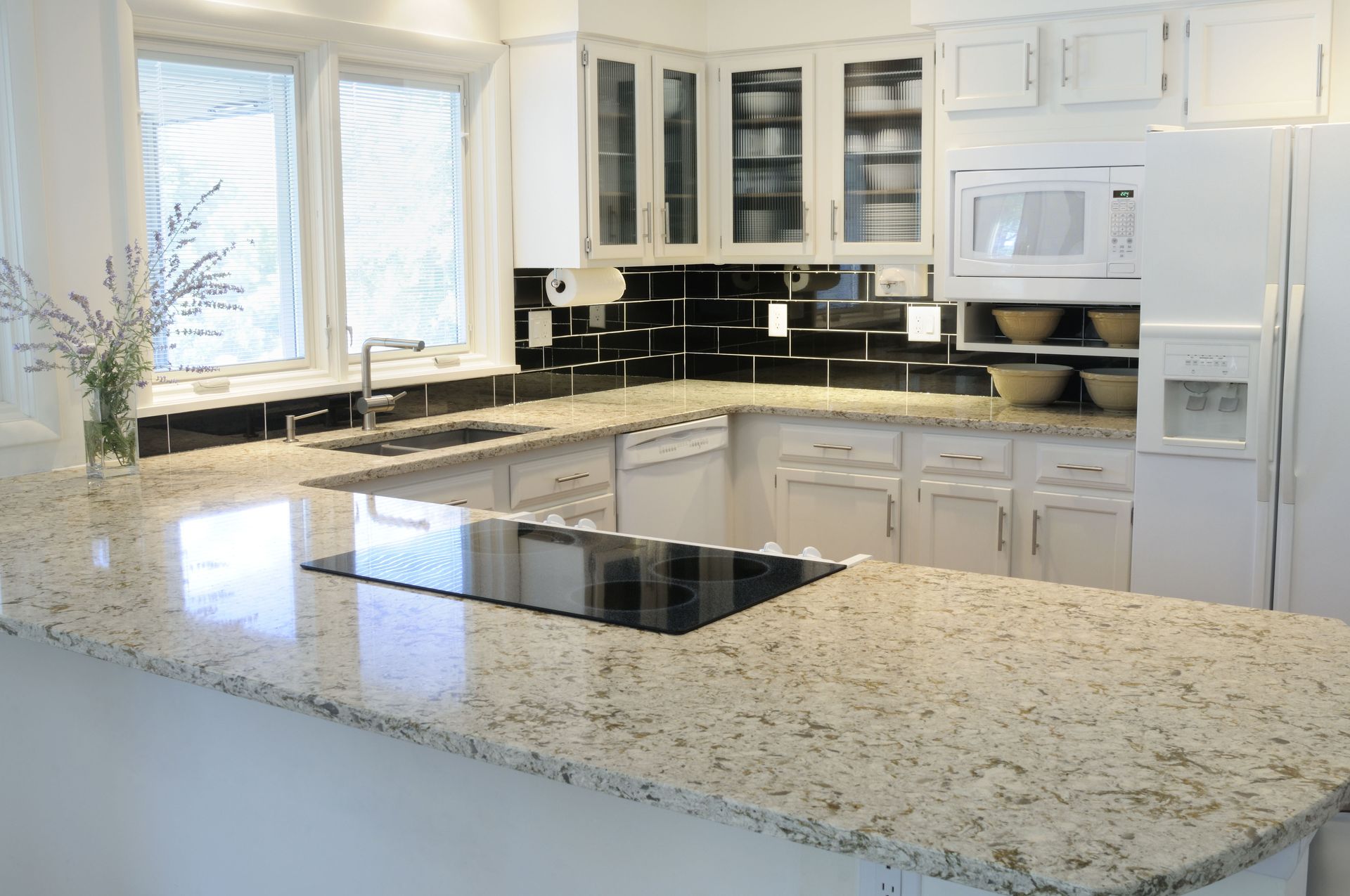
Exploring cost-effective solutions can significantly reduce the overall price tag of a kitchen renovation without sacrificing quality. For instance, laminate or butcher block countertops can provide aesthetic appeal akin to granite or quartz at a fraction of the cost. Affordable materials and alternatives, like refacing cabinets instead of replacing them, offer budget-friendly options. Additionally, sourcing materials during sales or using reclaimed wood can further drive down costs. With creativity and research, achieving a stylish look while adhering to a budget is entirely feasible.
Understanding Hidden Costs
Homeowners often overlook hidden costs, which can significantly impact the final bill of a kitchen renovation. These may include permits, delivery charges, disposal fees for old materials, and higher-than-anticipated labor costs. It's crucial to identify these potential expenses early on to allocate a realistic budget. Being informed and proactive can prevent financial surprises and delays in completing the project. Discussing estimates and timelines thoroughly with your contractor can also help you avoid unexpected costs.
The Value of Patience and Prioritization
Patience and prioritization play vital roles in staying on budget. Not everything has to be done at once. Prioritize elements that are most critical to your design and function. Start with immediate needs like repairing structural issues, then gradually move to aesthetic enhancements. This staggered approach allows you to spread out expenses over time, reducing financial strain. Being patient and flexible in your updates can lead to a more rewarding renovation outcome without breaking the bank.
Misconception 2: A Complete Overhaul Is Necessary for a New Look
The Impact of Small Changes
A complete kitchen overhaul can be daunting, but it's not always necessary to achieve a fresh look. Small changes, such as updating cabinet hardware or installing new lighting, can have a significant visual impact. These minor adjustments can revitalize the space without the need for extensive renovations. By carefully selecting impactful updates, you can breathe new life into your kitchen affordably and efficiently. Remember, sometimes less is more when it comes to design.
Reusing and Repurposing What You Already Have
Rather than discarding everything in your kitchen, consider reusing and repurposing existing elements. Cabinets, countertops, and appliances can often be revitalized rather than replaced, saving money and resources. For example, painting cabinets or adding a new trim can transform their appearance. This approach not only conserves your budget but also minimizes waste, aligning with sustainable renovation practices. Repurposing existing features encourages creativity and personalization in your kitchen design.
The Power of Paint
Never underestimate the transformative power of paint in a kitchen renovation. A fresh coat of paint can rejuvenate walls, cabinets, and even dated appliances, giving them a modern twist. Choose colors that complement your existing decor or introduce new shades for a complete atmospheric change. Paint is an inexpensive way to make a bold statement or provide subtle updates, making it a versatile tool in any renovation project. Its adaptability makes paint one of the most cost-effective updates available.
Adding New Fixtures
Installing new fixtures can greatly influence the kitchen's functionality. Swapping out old faucets, sinks, and light fixtures with contemporary designs can instantly modernize the space. These changes offer practicality as well as an aesthetic upgrade, making them a worthwhile investment. When selecting fixtures, aim for styles that blend comfort, convenience, and design innovation. A strategically placed fixture can be a focal point and elevate the overall kitchen aesthetic.
Flooring and Backsplash Updates
Refreshing flooring and backsplash is another way to remodel a kitchen without a full remodel. New tiles or a clean, stylish backsplash can create a dramatic effect and update your kitchen's look. Options abound, from classic subway tiles to unique patterned choices, allowing for personal expression in style. Vinyl and laminate flooring are economic alternatives to hardwood, offering durability and easy maintenance. These updates provide the perfect opportunity to integrate personal taste while staying on budget.
Misconception 3: Open Floor Plans Are Always Better
Assessing Kitchen Functionality
While open floor plans are popular, they aren't universally the best option for all homes. According to Houzz, 64% of homeowners opt for an open concept kitchen during their kitchen remodel, but it's essential to consider how this layout will function in your space. The choice should depend on individual lifestyle needs and the overall flow of the home. Assessing how you use your kitchen and adjoining areas can guide whether walls should be removed for an open layout. Functionality should be the driving factor in the decision between open versus closed layouts.
Privacy and Sound Considerations
An overlooked factor of open floor plans is the lack of privacy and sound control. Noise from the kitchen can intrude on living or dining areas, disrupting activities like conversations or watching TV. For those who enjoy culinary adventures, enclosed kitchens can help contain chaos and clatter. Including elements like sliding doors or partitions can offer flexibility between open and closed states. Balancing openness with privacy is crucial for a harmonious home environment.
The Role of Kitchen Islands
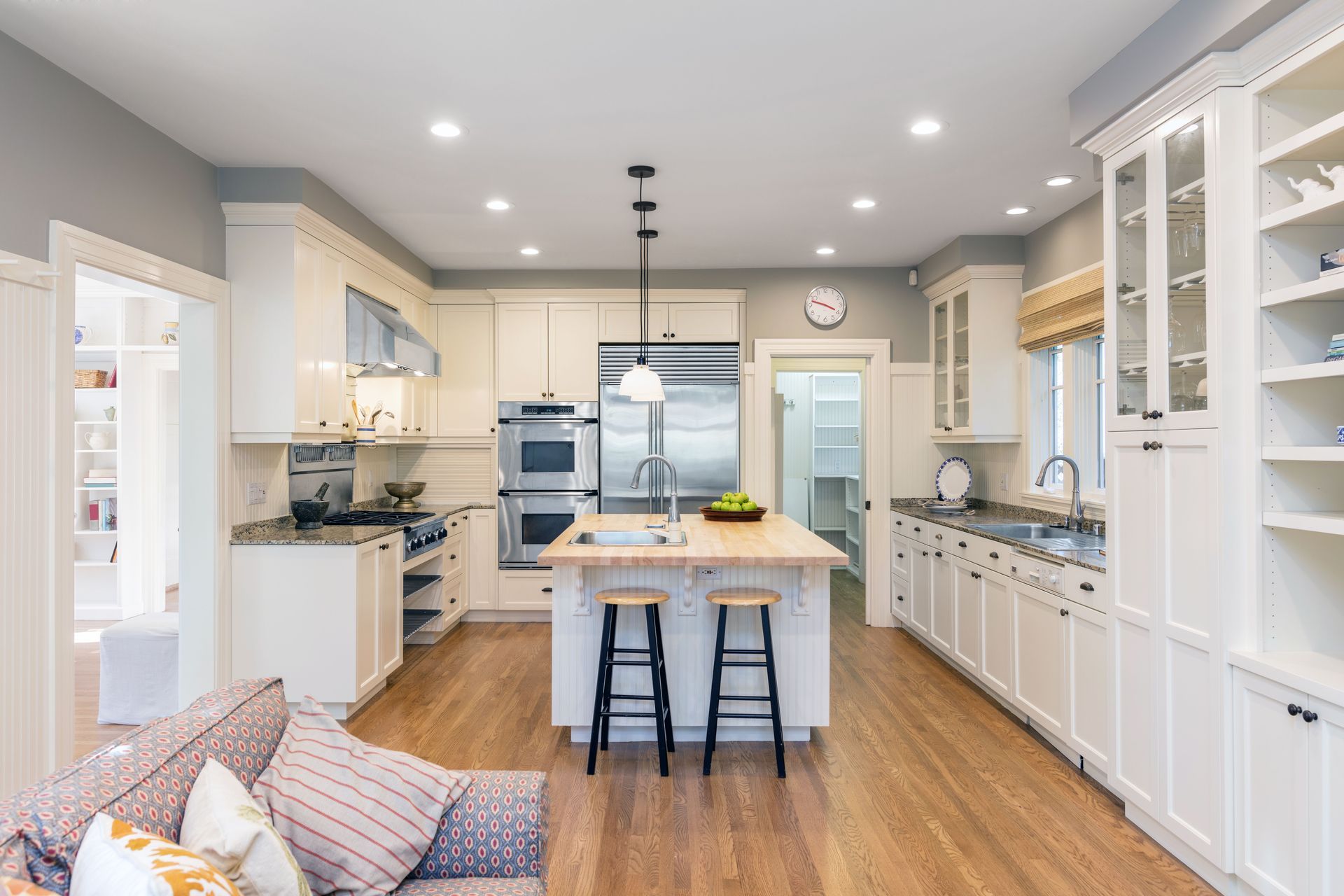
In both open and closed kitchens, islands play a vital role in maximizing space functionality. They serve as additional counter space, informal dining areas, and storage solutions. Islands can define zones in open layouts or introduce an element of openness in enclosed spaces. Consider your needs in terms of size, storage, and appliances when designing an island for your kitchen. This multifunctional nature makes kitchen islands highly desirable in any renovation process.
Balancing Aesthetics with Function
Harmonizing aesthetics with functionality is pivotal in achieving a satisfying kitchen renovation. The kitchen should provide visual appeal without sacrificing everyday usability. Design principles such as the work triangle can enhance convenience and movement within the space. Materials and colors play a significant role in blending visual and practical aspects, ensuring a seamless experience. Balancing elements is the key to creating a kitchen that pleases the eye and supports daily activities.
Highlighting Zoning in Enclosed Kitchens
Enclosed kitchens with distinct zones can enhance specialization and efficiency. By having separate zones for cooking, cleaning, and storage, movement within the kitchen becomes organized and purposeful. This separation allows for simultaneous activities without interference, improving workflow. Thoughtful zoning can make even a smaller kitchen feel more expansive and less cluttered. Enclosed kitchens benefit from delineated spaces that support various kitchen tasks harmoniously.
The journey of kitchen renovation is fraught with misconceptions, yet clearing these can dramatically enhance the experience. Understanding that updates need not always be extensive or expensive empowers you to make informed, cost-effective decisions. To learn more, reach out to the experts at TLC Renovation today.