January 19, 2026
When planning a kitchen remodel, one of the most important decisions you’ll make is choosing the right light fixtures. Lighting not only enhances the functionality of your space but also sets the mood and adds to the overall design aesthetic. From bright task lighting for meal prep to soft accent lighting to set the ambiance, the right lighting choices can transform your kitchen.
In this article, we’ll walk you through how to choose the perfect light fixtures for your kitchen remodel. We’ll cover everything from aesthetics to placement and how different types of lighting can work together to create a balanced, beautiful kitchen space.
Consider Your Kitchen's Aesthetic
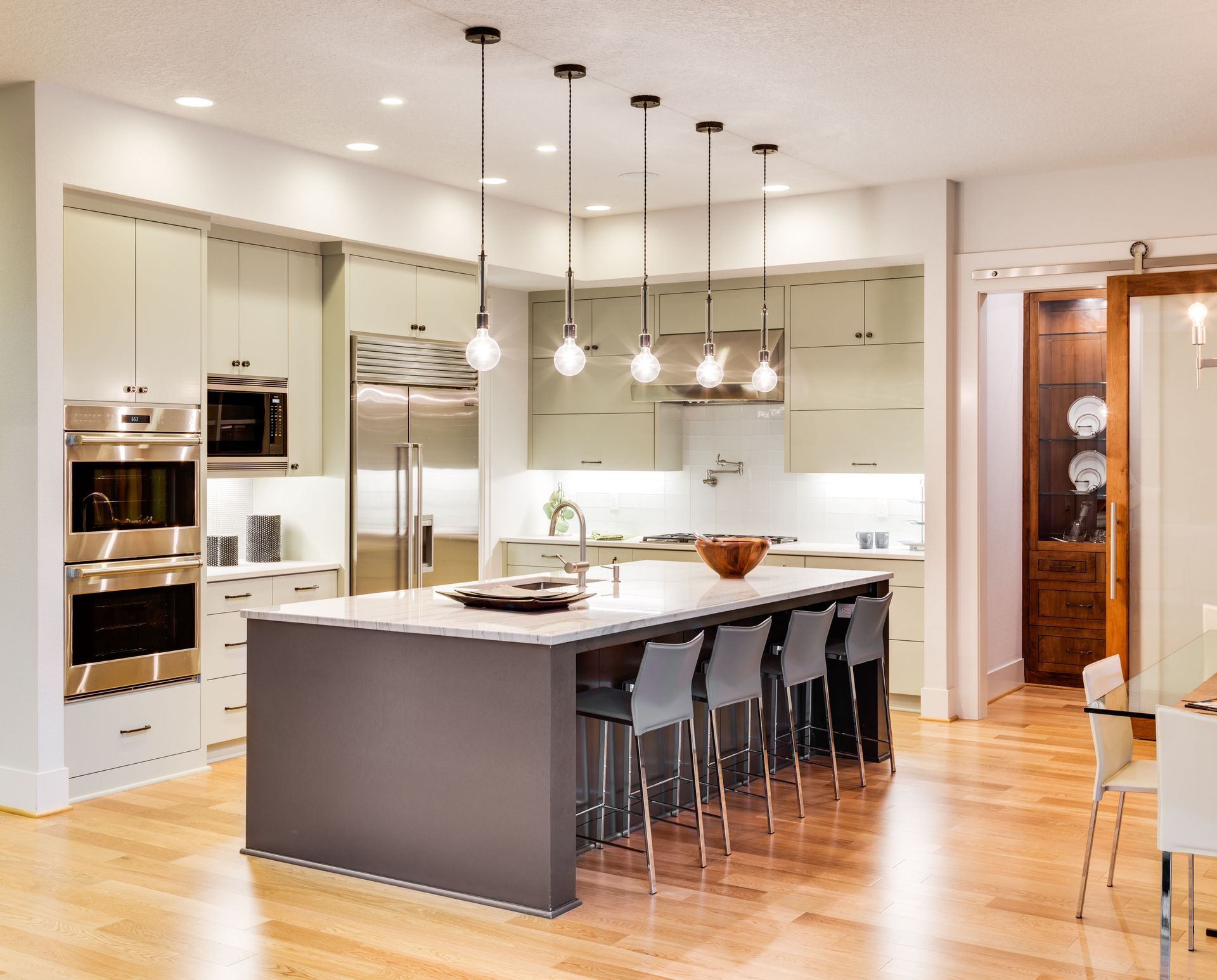
The style of your kitchen is a key factor when selecting light fixtures. Whether your design is modern, rustic, or transitional, the fixtures you choose should complement the overall look of your kitchen. In modern kitchens, sleek, minimalist fixtures work best, such as pendant lights with clean lines or recessed lighting. These fixtures can add a streamlined, contemporary feel to the space, made from materials like metal, glass, or acrylic. In rustic kitchens, look for fixtures made from natural materials like wood or wrought iron. Vintage-inspired designs, such as Edison bulbs or farmhouse chandeliers, create warmth and charm. For kitchens with a blend of traditional and modern elements, choose fixtures that offer a mix of both styles. A classic chandelier with a contemporary finish, or a pendant light with a traditional shape, can balance the room's design.
Think About Lighting Functionality
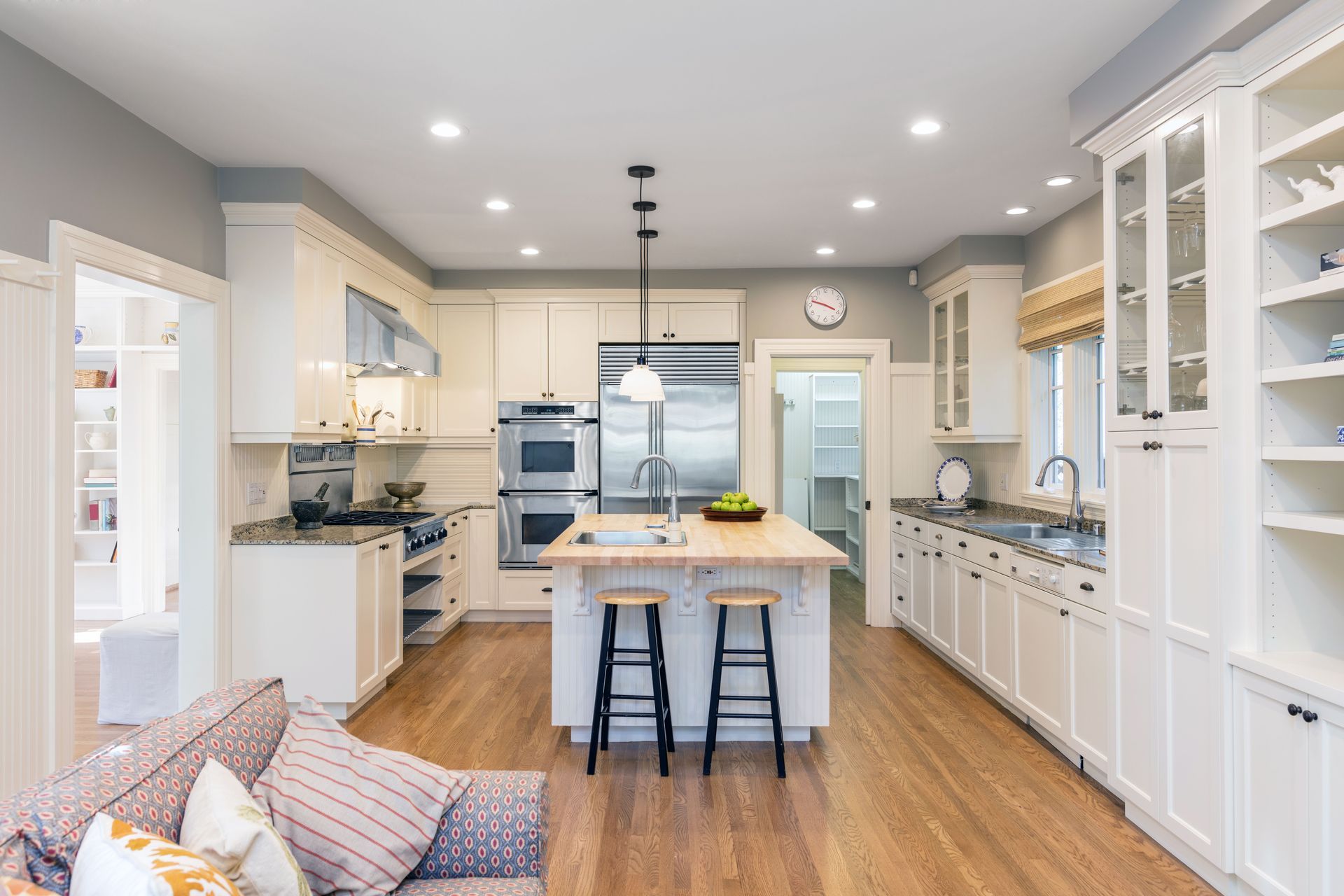
Each area of your kitchen serves a different purpose, so it's important to consider how your light fixtures will meet the specific needs of those areas. The right lighting will not only make your kitchen more visually appealing but will also improve the functionality of the space. Ambient lighting provides general illumination and should be considered the base layer of your lighting design. Ceiling-mounted lights, recessed lighting, or flush-mount fixtures can provide the even, widespread light needed for an entire room. Task lighting, on the other hand, focuses on providing light for specific activities like cooking or meal prep. Under-cabinet lighting is ideal for illuminating countertops, while pendant lights over a kitchen island or breakfast bar offer both task and aesthetic benefits. Accent lighting, which is used to highlight certain features like a backsplash or display shelves, adds another layer of depth to your design. Consider how each type of lighting will serve the different functions of your kitchen, from brightening the whole room to spotlighting a specific area.
Choose the Right Size Fixtures
The size of your light fixtures should be in proportion to the size of your kitchen. If your kitchen is small, opt for smaller, more delicate fixtures. Oversized pendant lights or chandeliers can overwhelm a smaller space, so choose something that fits the scale of the room. For larger kitchens or open-concept spaces, bigger statement fixtures can serve as a focal point while providing ample light. When placing fixtures over a kitchen island, be mindful of the height at which they’re installed. Pendants should hang about 30 to 36 inches above the countertop to ensure they provide enough light without obstructing views or creating shadows. Additionally, consider the scale of the fixture in relation to the space. Larger kitchens may benefit from large pendant lights or chandeliers, which not only brighten the space but also act as a design centerpiece.
Focus on Energy Efficiency
As you choose lighting for your kitchen remodel, energy efficiency should be a priority. LED bulbs are an excellent choice because they consume less energy and last longer than traditional bulbs. This can help reduce your electricity bill while providing consistent lighting over time. Another advantage of LED bulbs is that they generate less heat than incandescent bulbs, making them ideal for kitchen use where temperatures can already run high. If you're incorporating dimming features into your lighting plan, look for dimmable LED bulbs, which allow you to adjust the lighting to suit your needs throughout the day.
Determine Placement and Layering
Once you’ve decided on the types of lighting you need, it’s important to think about the placement of your fixtures. Proper placement ensures that your kitchen is well-lit, without any dark corners or uneven lighting. For ambient lighting, centralize your light fixtures in the room, whether it's a ceiling-mounted fixture or recessed lighting. Task lighting should be placed directly over areas where you’ll be working, such as countertops, sinks, and kitchen islands. Pendant lights, for instance, should be positioned directly above these work areas, ensuring that they provide focused light for meal prep or cooking. Accent lighting can be used to highlight features in the kitchen, such as artwork, a beautiful backsplash, or an elegant set of display shelves. Placement is just as important as choosing the right fixtures because it ensures that every area of your kitchen is properly illuminated.
Pay Attention to Color Temperature
The color temperature of your light fixtures is crucial in setting the mood and ambiance of your kitchen. Light bulbs come in a variety of color temperatures, measured in Kelvins (K), and each temperature creates a different effect. Warm white bulbs, typically in the range of 2700K to 3000K, provide a soft, yellowish light that is ideal for creating a cozy, inviting atmosphere in your kitchen. This is particularly suitable for spaces where you want to relax or entertain. For task lighting, choose bulbs with a cooler temperature, such as 3500K to 4100K, as these offer bright, neutral lighting that is best for activities like cooking and food preparation. If you want a more modern or crisp look, daylight bulbs with a color temperature of 5000K to 6500K can mimic natural daylight, providing bright, cool light that is ideal for a contemporary kitchen.
Consider Fixture Materials and Finishes
The materials and finishes of your light fixtures can enhance the overall style of your kitchen. Choose finishes that complement the other elements of your kitchen, such as cabinetry, countertops, and hardware. Brushed nickel or stainless steel finishes work well in modern kitchens, offering a clean, sleek look. For rustic or farmhouse kitchens, oil-rubbed bronze, copper, or matte black finishes can add a touch of warmth and character. Glass or crystal fixtures can bring a touch of elegance to a more traditional kitchen, while matte black and brass fixtures are perfect for industrial or transitional spaces. The finish of your light fixtures should seamlessly integrate into the overall design of your kitchen, enhancing its aesthetic without overwhelming the space.
Choosing the right light fixtures for your kitchen remodel is a crucial step in creating a space that is both functional and beautiful. From understanding your kitchen’s aesthetic to considering fixture size and placement, every decision you make will impact the overall atmosphere of your kitchen. Lighting is one of the key elements that can elevate the design and functionality of your space.
As you plan your kitchen remodel, remember that the lighting you choose can significantly enhance your kitchen’s overall ambiance and functionality. According to the Joint Center for Housing Studies, renovation and repair spending is expected to increase by 1.2% in 2025, indicating that more homeowners are investing in their kitchens and making lighting a priority.
If you're ready to start planning your kitchen remodel, don’t overlook the importance of selecting the right lighting. Reach out to a professional at TLC Renovation today to help guide you through the process and ensure your kitchen lighting enhances both the function and style of your space.