April 2, 2026
A kitchen renovation is one of the most impactful ways to improve both the look and functionality of a home. Today’s homeowners are looking for spaces that are not only visually appealing but also efficient and practical for daily use. Whether you are updating an outdated layout or starting from scratch, thoughtful planning is essential to achieving the right balance between style and usability.
Modern kitchens focus on clean design, smart storage, and integrated technology. By incorporating the right elements, a kitchen renovation can transform the space into a central hub for cooking, gathering, and entertaining. With the right approach, even small updates can make a noticeable difference in comfort and value. A well-planned renovation also ensures that safety and durability are prioritized, from proper lighting and electrical wiring to ergonomic placement of appliances and work surfaces.
Layout Considerations
Open-Concept Design
Open-concept kitchens continue to be a popular choice in any kitchen renovation. Removing walls creates a more connected space between the kitchen, dining, and living areas. This layout improves natural light and encourages interaction, making it ideal for families and entertaining guests. Proper planning ensures that the space remains functional and cozy, avoiding the feeling of a cold, overly expansive room.
Work Triangle Efficiency
The work triangle, which connects the sink, stove, and refrigerator, remains a key principle in kitchen design. A well-planned layout reduces unnecessary movement and improves workflow. During a kitchen renovation, adjusting this triangle to fit modern appliances can enhance overall efficiency. Additional considerations, such as the inclusion of prep areas or secondary sinks, can further enhance workflow in larger kitchens.
Islands and Peninsulas
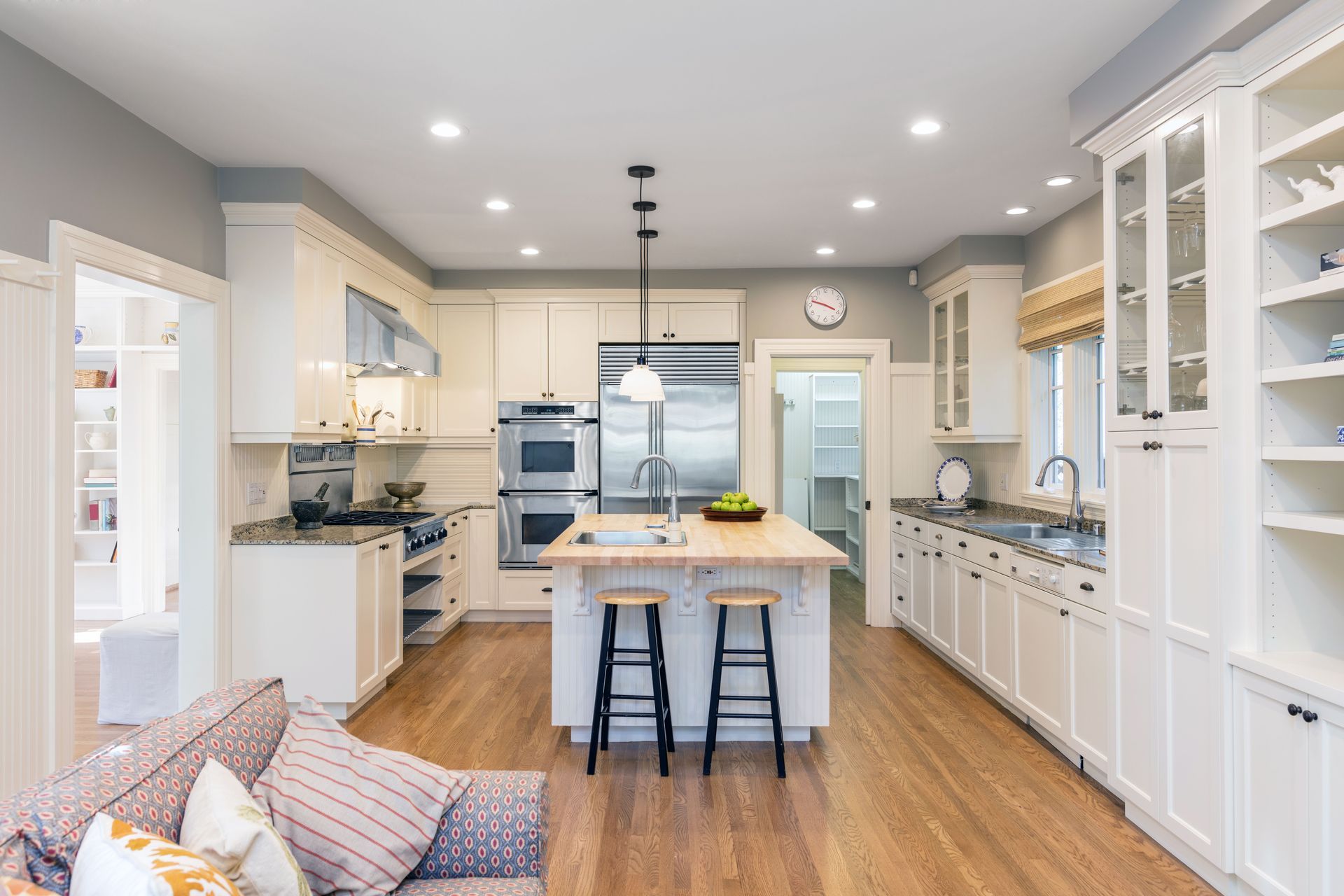
Adding an island or peninsula increases counter space and provides additional seating. These features often become focal points in a kitchen renovation, offering both function and style. Islands may include built-in appliances, storage, or seating areas, creating multifunctional spaces. Peninsulas provide similar benefits for smaller layouts where a standalone island may not fit.
Traffic Flow
Ensuring smooth movement throughout the kitchen is essential. Walkways should remain clear, especially in high-use areas. A well-designed kitchen renovation considers how multiple people will use the space at once. This is particularly important in homes where the kitchen serves as a social hub or is frequently used by more than one cook simultaneously.
Zone Planning
Dividing the kitchen into zones for cooking, prep, cleaning, and storage improves organization. This approach simplifies daily tasks and ensures everything is within easy reach. In addition, thoughtful zone planning can integrate eco-friendly practices, such as separate areas for recycling and composting, making the kitchen more sustainable and efficient.
Modern Design Elements
Minimalist Cabinetry
Clean lines and simple finishes define modern cabinets. Flat-panel designs and subtle hardware create a sleek look that works well in any kitchen renovation. Choosing high-quality materials ensures longevity while keeping maintenance simple.
Integrated Appliances
Built-in appliances blend seamlessly with cabinetry, maintaining a cohesive appearance. Many modern options also offer energy-efficient features and smart controls, making them both stylish and functional. Integration of appliances enhances workflow by keeping commonly used devices accessible yet unobtrusive.
Neutral Color Schemes
Neutral tones such as white, gray, and beige create a timeless look. These colors reflect light and make the space feel larger, which is especially helpful in smaller kitchens. Complementing neutrals with subtle accents or natural materials adds warmth and visual interest.
Smart Technology
Technology plays a growing role in kitchen renovation projects. Smart appliances, voice controls, and automated systems improve convenience and efficiency. As smart homes become more common, these features allow kitchens to remain relevant and adaptable for future needs.
Layered Lighting
Combining task, ambient, and accent lighting enhances both functionality and atmosphere. Pendant lights and under-cabinet lighting are common additions. Adjustable lighting can also improve energy efficiency and create the perfect mood for cooking, dining, or entertaining.
Functional Storage Solutions
Pull-Out Pantry
Pull-out pantries maximize storage while keeping items accessible. They are especially useful in compact kitchens, turning narrow spaces into efficient, organized storage areas.
Custom Cabinets
Custom cabinetry allows homeowners to design storage that fits their specific needs. This is a valuable part of any kitchen renovation, ensuring every inch of space is utilized effectively. Specialty inserts can organize utensils, spices, and baking supplies for quick access.
Vertical Storage
Using vertical space with tall cabinets or shelving increases storage without taking up floor space. Adding decorative elements, such as open shelving for cookbooks or plants, also adds personality to the space.
Multi-Use Racks
Racks for pots, utensils, or spices help keep counters clear and organized. These systems make cooking more efficient and add style by displaying frequently used items attractively.
Built-In Organizers
Drawer inserts and cabinet organizers make it easier to store and find items, improving overall efficiency. Built-in organizers can be adapted over time as storage needs change.
Smart Kitchen Technology
Smart Refrigerators
Modern refrigerators offer features like inventory tracking and touchscreens, making them a valuable addition to a kitchen renovation. These devices help reduce food waste while adding convenience and connectivity to your home.
Wi-Fi Ovens
Wi-Fi-enabled ovens allow remote control and monitoring, adding convenience to meal preparation. Some models integrate with smart home systems, offering full control over cooking settings from a mobile device.
Voice Assistants
Voice technology helps manage tasks like timers, recipes, and shopping lists without using hands. It improves accessibility and multitasking in a busy kitchen environment.
Smart Faucets
Touchless faucets improve hygiene and reduce water waste. Many models track usage and offer precise temperature control, which enhances both convenience and sustainability.
Automated Lighting
Smart lighting systems adjust brightness and timing automatically, improving energy efficiency. Integration with other smart devices can provide a seamless experience, allowing homeowners to control the environment easily.
Eco-Friendly Features
Energy-Efficient Appliances
Energy-saving appliances reduce utility costs and environmental impact. They are a smart investment in any kitchen renovation, combining performance with sustainability.
Recycled Materials
Using recycled materials such as reclaimed wood or glass countertops supports sustainability while adding character. These materials are often highly durable and visually distinctive.
Low-VOC Paint
Low-VOC paints improve indoor air quality and are widely available in modern color options, contributing to healthier home environments.
Water-Saving Fixtures
Efficient faucets and dishwashers help conserve water without sacrificing performance. These upgrades are practical and eco-conscious, reflecting modern sustainable practices.
Sustainable Countertops
Materials like bamboo or recycled composites provide durable and eco-friendly surface options. They add texture, style, and environmental responsibility to any kitchen renovation.
Budget-Friendly Remodeling Tips
Cabinet Refacing
Refacing cabinets instead of replacing them can significantly reduce costs while updating the look. It is an effective solution for older kitchens needing a fresh, modern appearance.
DIY Backsplash
A backsplash is a simple way to refresh a kitchen. According to Today's Homeowner, more than 50% of houses in the U.S. were built before 1980. Many of these homes benefit from small updates like this during a kitchen renovation, improving aesthetics and functionality without major expense.
Affordable Flooring
Vinyl and laminate flooring offer durability and style at a lower cost than traditional materials. They are easy to maintain and ideal for high-traffic kitchen areas.
Lighting Updates
Replacing outdated fixtures with modern lighting can dramatically improve the space without a full renovation. Layered and energy-efficient lighting also enhances ambiance and usability.
Repurposing Materials
Reusing existing elements such as cabinets or hardware can save money and reduce waste. With a creative approach, old features can be transformed to complement new design elements.
A successful kitchen renovation combines thoughtful design, practical features, and modern technology. By focusing on layout, storage, and efficiency, homeowners can create a space that meets both aesthetic and functional needs. Even small changes can make a big difference in how the kitchen looks and feels. A renovation also ensures long-term value by upgrading materials, appliances, and infrastructure, making the kitchen safer, more functional, and energy-efficient. For more information, contact TLC Renovation.