April 16, 2026
Planning a build or renovation involves more than design ideas and timelines. It requires knowing when to bring in the right professional support. A renovation contractor plays a central role in coordinating moving parts, managing scope, and aligning the project with structural, regulatory, and scheduling requirements.
Across the U.S., aging housing stock continues to drive renovation activity. According to Today's Homeowner, more than 50% of houses in the U.S. were built before 1980. This reality increases the likelihood of structural updates, system upgrades, and full-scale remodels that benefit from professional oversight.
Understanding when to call a renovation contractor can help avoid delays, budget issues, and compliance risks while keeping your build on track. Early involvement also allows for better planning decisions, helping align expectations with realistic timelines and construction sequencing.
Recognizing Structural Changes Early
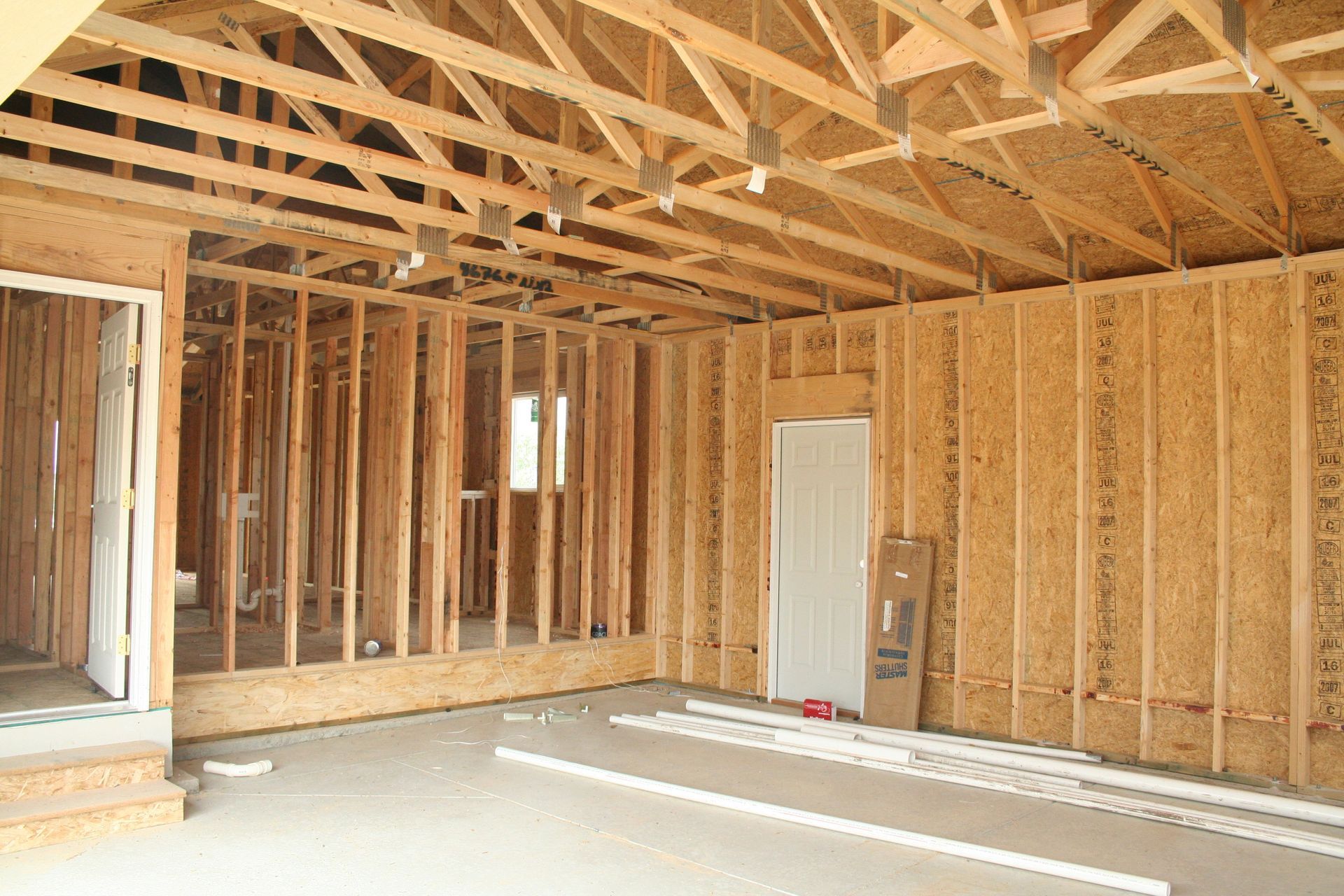
Structural modifications are one of the clearest signals to engage a renovation contractor. Projects that involve altering load-bearing walls, modifying layouts, or expanding square footage require careful planning and execution.
Older homes often present hidden challenges such as outdated framing, aging materials, or previous modifications that no longer meet current standards. These conditions can introduce complexity requiring coordinated planning across multiple trades.
A renovation contractor helps assess feasibility, align the build with code requirements, and manage sequencing so structural work integrates properly with the rest of the project. Bringing them in early reduces the likelihood of mid-project redesigns or costly corrections. It also creates a more stable foundation for the rest of the renovation to build upon.
Planning Complex Builds and Additions
Large-scale builds and additions introduce multiple layers of coordination. From foundation work to roofing and system integration, these projects extend beyond isolated updates and require a cohesive approach.
As the scope increases, so does the need for structured oversight. Without centralized coordination, projects can face delays tied to scheduling conflicts, material availability, or sequencing issues.
A renovation contractor provides oversight across trades, manages timelines, and aligns each phase of the build. This becomes particularly valuable when multiple systems—such as electrical, plumbing, and HVAC—must be installed or upgraded in tandem. Clear planning at this stage helps prevent bottlenecks that could otherwise slow progress later.
Addressing Aging Home Systems
As homes age, core systems like plumbing, electrical, and HVAC often require updates to meet modern performance expectations. These upgrades frequently overlap, creating dependencies that must be handled carefully.
Projects involving system updates often require opening walls, rerouting infrastructure, and coordinating inspections. Without a structured approach, these steps can become disjointed and inefficient.
A renovation contractor helps manage these overlapping scopes and aligns upgrades, so they integrate efficiently rather than being handled in isolation. This approach reduces rework and keeps the build aligned with both functional and regulatory requirements. It also helps avoid situations where newly installed systems need to be adjusted due to earlier oversights.
Managing Permits and Compliance Requirements
Permits and code compliance are essential components of most renovation projects, particularly those involving structural changes or system updates. However, navigating these requirements can be time-consuming and complex.
A renovation contractor coordinates permitting, schedules inspections, and aligns the build with local regulations. This reduces administrative friction and helps maintain project momentum. It also provides clarity on what is required before construction begins, preventing interruptions once work is underway.
By handling these processes upfront, a renovation contractor minimizes the risk of delays caused by missing approvals or failed inspections, keeping the overall timeline more predictable.
Coordinating Multiple Trades Effectively
Most builds involve multiple specialized trades working within the same timeline. Without structured coordination, scheduling conflicts and inefficiencies can quickly emerge.
Renovation projects often require electricians, plumbers, and other professionals to complete work in a specific sequence. When this sequencing is not managed properly, delays can cascade across the entire project.
A renovation contractor acts as the central point of coordination, aligning schedules, managing dependencies, and maintaining workflow continuity. This reduces downtime between phases and keeps the build progressing as planned. It also helps maintain accountability across all parties involved in the project.
Controlling Budget and Timeline Variables
Budget overruns and timeline extensions are common challenges in renovation projects. Unexpected conditions, material delays, and scope adjustments can all impact the outcome.
A renovation contractor provides structured oversight, helping manage costs through planning, sequencing, and proactive issue resolution. While variables can't be eliminated, professional management reduces their impact and keeps the project aligned with expectations.
Having a clear framework for decision-making also allows adjustments to be made without disrupting the entire build, which is especially important in longer or more complex projects.
Preventing Scope Creep During Projects
Scope creep—when project requirements expand beyond the original plan—can disrupt both timelines and budgets. It often occurs when decisions are made mid-project without fully understanding their implications.
A renovation contractor helps define the scope clearly at the outset and manages changes through a structured process. This includes evaluating how adjustments affect scheduling, costs, and downstream work.
By maintaining control over scope, the project remains focused and predictable. This is especially important in larger builds where even small changes can cascade across multiple phases. Clear documentation and communication help keep expectations aligned throughout the process.
Streamlining Communication Across Stakeholders
Clear communication is critical in any build. Misalignment between stakeholders, whether related to timelines, expectations, or deliverables, can create delays and inefficiencies.
A renovation contractor serves as the primary communication hub, translating project requirements across teams and maintaining alignment throughout the build. This centralized communication structure reduces confusion and keeps all parties working toward the same objectives.
Consistent updates and coordinated decision-making also improve overall project flow, minimizing disruptions caused by miscommunication. This level of organization is especially valuable in projects involving multiple decision-makers.
Evaluating Project Scale and Complexity
Not every project requires the same level of oversight, but complexity is a strong indicator that a renovation contractor should be involved. Factors such as project size, number of trades, and integration of systems all contribute to complexity.
As projects scale, the need for structured management increases. Evaluating the full scope of a build early helps determine whether professional coordination is necessary.
In most cases involving multiple moving parts, a renovation contractor provides the level of control needed to keep the project on track. This evaluation stage also helps set realistic expectations for timelines and overall project flow.
Anticipating Long-Term Property Needs
Renovation decisions often extend beyond immediate goals. Long-term considerations, such as durability, functionality, and future upgrades, play a role in shaping the build.
With many properties reaching an age where updates are increasingly necessary, planning renovations with long-term use in mind becomes more important.
A renovation contractor helps align current work with future needs, reducing the likelihood of repeated disruptions or overlapping projects down the line. This forward-looking approach supports better use of resources and more efficient project outcomes over time.
Knowing when to call a renovation contractor can significantly influence the outcome of your build. From managing structural changes to coordinating trades and maintaining timelines, professional oversight becomes increasingly valuable as project complexity grows.
If a build involves multiple phases, system upgrades, or structural modifications, working with a renovation contractor provides the organization and direction needed to move forward efficiently. Connect with a renovation contractor at TLC Renovation today to move your project forward with clarity and confidence!